Diabetes · CGM in primary care
17.7
mmol/mol average fall in HbA1c over six months
In people with type 2 diabetes new to CGM, across 55 practices. The share below 64 mmol/mol rose from 17% to 45%, with no rise in medication cost.

Population health for NHS primary care
PRISM runs inside GP clinical systems every night to identify and prioritise patients who need care, supports clinicians to act, then measures what changed. Free to the NHS. Patient data stays in the NHS.
Every night, in every PRISM practice
National NHS programme
University Hospitals of Leicester NHS Trust has been awarded the five year NHS England contract to deliver Healthy Living, the national digital structured education and self management service for adults living with diabetes in England. The service is powered by MyDESMOND from the Leicester Diabetes Centre, with Promatica as technical delivery partner, integrating it with primary care systems and digital services.
“Our expertise is in integrating digital services safely and securely with primary care systems, and this contract is exactly the kind of work Promatica exists to do: connecting proven clinical programmes with the NHS infrastructure that lets them reach everyone who needs them.”
Any adult living with type 1 or type 2 diabetes in England can sign themselves up.
A structured programme for adults with type 1 diabetes, alongside a refreshed type 2 offer.
Rooted in DESMOND, one of the most established structured diabetes education programmes in the world.
PRISM identifies eligible patients in GP systems every night and refers them to the service, so practices don’t have to.
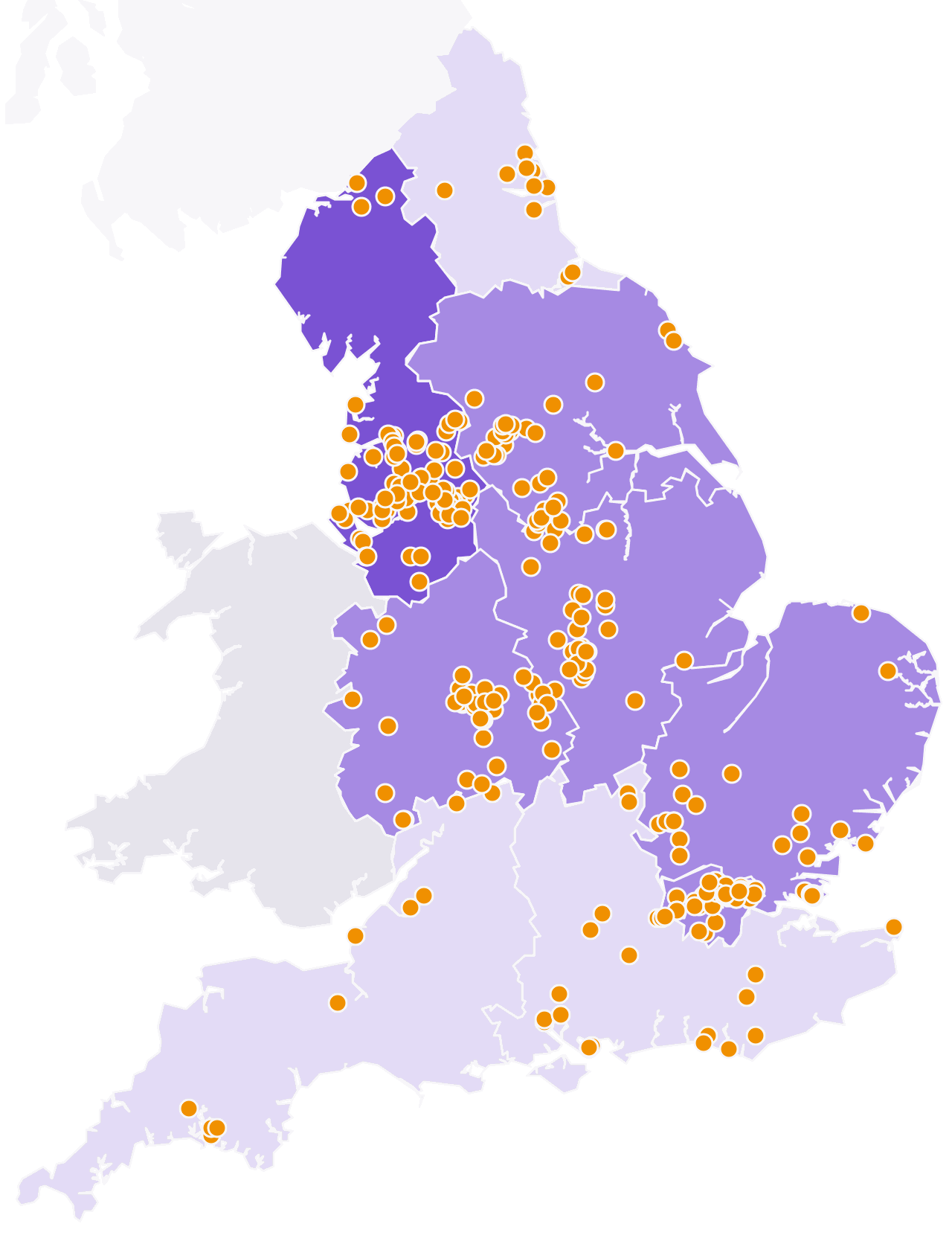
Our footprint today
Every PRISM practice runs on the same nightly connection, so a new programme can start in hundreds of practices without new infrastructure.
What PRISM does
Most approaches either find patients or fund capacity. PRISM does both, then proves what changed from data the NHS already holds.
Clinically designed searches find and rank patients with gaps in care, nightly, in EMIS Web and SystmOne.
Named worklists filed to the record, with optional pharmacist reviews so practices have the capacity to follow through.
Phenotypes built from routine GP records find eligible trial participants, with NHS clinicians authorising every invitation.
Outcomes measured for each patient against their own baseline, from data the NHS already holds.
Results
Diabetes · CGM in primary care
mmol/mol average fall in HbA1c over six months
In people with type 2 diabetes new to CGM, across 55 practices. The share below 64 mmol/mol rose from 17% to 45%, with no rise in medication cost.
Clinical research · Rare dermatology
eligible patients found for a study that needed 8
A 25 code set phenotype built from GP records, with pharmacist review, now supporting trial site recruitment and a second study.
National scale · NHS England
Technical integration lead for the national programme
A five year national contract, with PRISM referring eligible patients to digital self management every night.
Governance
The practice remains data controller and Promatica acts as processor. Clinical activity and patient data are kept separate from any funding partner, in line with the ABPI Code.
Integration
Practices don’t adopt a new system. Identification, worklists, fileback and reporting work the same way in each, and Vision integration opens the whole of Scotland from early 2027.
For practices, PCNs and ICBs
Prioritised worklists for long term conditions, support to close care gaps, optional pharmacist capacity, and the chance to take part in clinical research. No cost to activate, no new hardware.
For life science partners
Clinical trial recruitment, real world evidence and funded service programmes, with ready to sign governance that shortens IG lead times. Start with a pilot, then scale on infrastructure already in place.
Talk to us about a programmeSee our life sciences programmes
In our partners’ words
PRISM works inside each practice’s own clinical system, so we never see patient level data and the clinical decisions stay with the NHS. What sets Promatica apart is that it doesn’t stop at a list. Because PRISM draws on routine GP records, they can also evidence what happens next.
We came to them with a question many people told us UK primary care data couldn’t answer, and they found a way. They did all of it without anything identifiable leaving the practice. That first programme gave us the confidence to commission further work together.
Whether you’re a practice, PCN, ICB or life science organisation, we’d like to hear from you.
Or follow us